 My Psico Agenda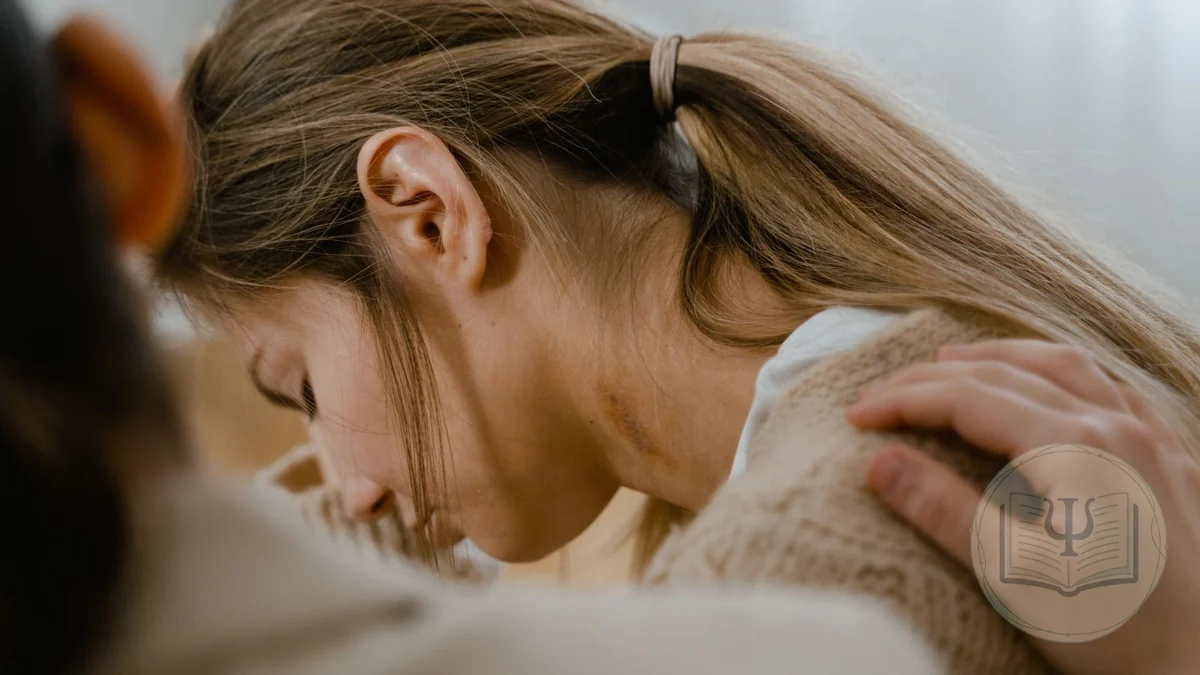
The Venezuela earthquake of 24 June 2026 left a wound that goes far beyond the fallen buildings. Thousands of families lost a loved one, their home or that basic sense that the ground, quite literally, is solid. Once the first shock fades and material aid starts to arrive, another need appears that sometimes takes longer to reach: psychological support. This guide is about facing the aftermath —whether you are living through it or standing beside someone who is— and it is also a hand held out: at My Psico Agenda we offer psychologists in Venezuela one month free with the code CONVENEZUELA.
What happened: the Venezuela earthquake of 24 June 2026
On that 24 June the ground shook twice in quick succession. It was a double earthquake: a first tremor of magnitude 7.2 near San Felipe (Yaracuy) and, just 39 seconds later, another of magnitude 7.5 near Yumare. The seismic data is published by bodies such as the United States Geological Survey (USGS). The hardest-hit areas were La Guaira, Caracas and the Capital District, with thousands of people killed and injured.
Behind every figure there is a story, and behind every survivor an emotional process that does not make the news but can last for months. That is where psychological support becomes as necessary as water or shelter.
The psychological impact of an earthquake
After a disaster like this, feeling bad is not weakness: it is an expected response to something that is not normal at all. Body and mind react to intense fear and loss, and it helps a great deal to know what falls within the normal range and what is worth watching.
Normal reactions in the first few days
Insomnia, startling at the slightest noise, tears that come without warning, trouble concentrating, guilt for having survived, anger or a sense of unreality. Most of these reactions gradually ease with rest, routine and a support network close by.
Grief, at its own pace
When there are human losses, grief mixes with shock. There is no correct timetable nor a «right» way to go through it. Naming what you feel and not going through it alone are two of the strongest protective factors.
When the reaction to the earthquake becomes complicated
If after a few weeks the symptoms do not ease —recurring nightmares, reliving the quake again and again, avoiding anything that recalls it, emotional shutdown— post-traumatic stress may be setting in. A professional assessment is advisable here. The World Health Organization stresses that addressing mental health early in emergencies reduces long-term consequences.
Children, teenagers and older people
The youngest often do not put it into words: they express it through regressions, nightmares or clinging to an adult. Listening to them, keeping routines and conveying safety is worth more than a thousand explanations. For older people, losing their home and lifelong reference points weighs in a particular way.
Psychological first aid: what you can do right now
You do not need to be a psychologist to offer first support. Psychological first aid is a set of simple actions anyone can offer, and which the Pan American Health Organization (PAHO) recommends in crisis situations.
Listen without judging
Come closer, ask how they are and sit with the silence. You do not have to fix anything or say «everything happens for a reason». Being there, meeting their eyes and validating what the other person feels is already a great deal.
Cover the basics and give reliable information
Water, a safe place, knowing where their loved ones are. Uncertainty fuels distress; clear information calms it. And refer them to emergency and health services whenever needed.
Take care of yourself too
Those who help also wear out. If you are a volunteer or a professional, sleeping, eating and taking turns is not a luxury: it is what lets you keep holding others up. This is especially true for the psychologists caring for people around the clock these days.
How to look after your mental health if you are living through it
If the Venezuela earthquake touched you closely, small things help while the emotional ground settles again:
- Recover minimal routines. Eating and sleeping at similar times restores a sense of control.
- Set limits on the news. Staying informed, yes; staying hooked on images that reopen the wound, no.
- Lean on your people. Talking, even about nothing in particular, protects more than it seems.
- Move your body and breathe. Walking or breathing slowly for a few minutes lowers the fear response.
- Ask for help without waiting to «hit rock bottom». Seeking psychological care in time is not overreacting, it is looking after yourself.
The role of psychologists in Venezuela
Demand for psychological care soars after an earthquake and does not drop all at once: it arrives in waves over months. Many psychologists in Venezuela are seeing more people than ever, often for free or remotely, combining in-person sessions with video calls to reach those who cannot travel.
In that context, having the organizational side sorted changes a lot: knowing who you are due to see, not losing a session note and being able to send a reminder so no one misses their appointment. The less time goes into paperwork, the more is left for what truly matters. And if you coordinate a team or a psychology practice, fitting several schedules together becomes even more critical.
One month free for psychologists in Venezuela: code CONVENEZUELA
We want to do our small part. That is why any psychologist in Venezuela can use the code CONVENEZUELA and get one month free of My Psico Agenda, with scheduling, clinical records, WhatsApp reminders and invoicing included. No lock-in and no card to get started.
Activating it takes a minute:
- Create your account at mypsicoagenda.com.
- When you activate your plan, type the code CONVENEZUELA in the promo code field.
- Done: your first month is free so you can focus on being there for those who need it.
If you get stuck setting it up, message us on WhatsApp and we will lend a hand. The idea is simple: the tool should never be the obstacle when care is needed most.
My Psico Agenda: care for more people without drowning in paperwork
My Psico Agenda brings together scheduling, the patient record, reminders and invoicing in one place, designed by and for psychology. It works on computer, phone and tablet, serves in-person and online sessions alike, and protects health data as regulations require. Whether you work solo or coordinate a team of therapists, it takes the paperwork off your plate. And if you are handling critical situations these days, our guide on the suicide risk protocol in practice may help.
To Venezuela, all our affection. And to those who hold it up through listening, all our admiration.
Frequently asked questions
Common questions about the Venezuela earthquake, psychological support and the CONVENEZUELA code.
What happened in the Venezuela earthquake of 24 June 2026?
The Venezuela earthquake of 24 June 2026 was a double quake: a magnitude 7.2 tremor near San Felipe (Yaracuy) and another of 7.5 a few seconds later, near Yumare. The hardest-hit areas were La Guaira, Caracas and the Capital District, with thousands of people killed and injured.
How does an earthquake affect you psychologically?
It is normal to feel insomnia, startle responses, tears, survivor guilt or a sense of unreality. It usually improves with support and routine. If after a few weeks nightmares, avoidance or reliving the event persist, a professional assessment is advisable for possible post-traumatic stress.
What is psychological first aid?
Psychological first aid is a set of simple supportive actions anyone can offer after a crisis: listening without judging, covering basic needs, giving reliable information and referring to health services. It does not replace therapy, but it helps contain the initial impact.
How do psychologists in Venezuela get the free month with the code CONVENEZUELA?
Just create an account at mypsicoagenda.com and type the code CONVENEZUELA in the promo code field when activating the plan. The first month is free, with no lock-in, including scheduling, clinical records, reminders and invoicing.
When should you seek professional psychological help after an earthquake?
When the distress does not ease over time, interferes with daily life (sleep, work, relationships) or thoughts of harming yourself appear. Seeking psychological care in time is not overreacting: the sooner, the better the outlook.
Is My Psico Agenda useful for online psychological care in Venezuela?
Yes. It works in the browser, on the phone and on the tablet, so you can combine in-person and remote sessions. With the code CONVENEZUELA you get the first month free to organize your appointments, your clinical records and your reminders.