 My Psico Agenda
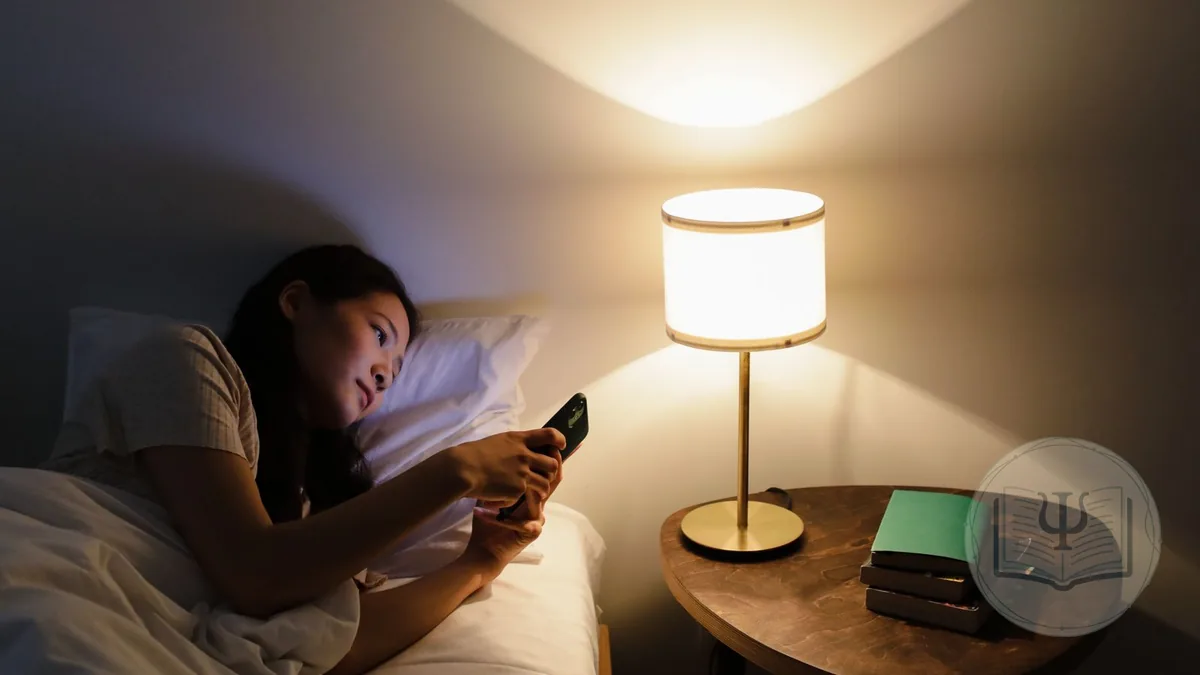
You leave the house, go halfway down the stairs and reach for your pocket: the phone isn't there. In that second, a lot of people feel their stomach drop. It isn't that you're expecting an important call; it's the sense of being cut off, of something slipping past while you're not looking. That unease, more and more common, now has a name: nomophobia. And although the word sounds like a passing label, behind it there's a pattern of anxiety that does end up in the consulting room.
It's worth starting with the honest part: using your phone a lot is not, on its own, nomophobia. Almost all of us look at the screen more than we'd like. The problem shows up when the idea of being without your phone triggers real anxiety, and that anxiety starts to run your day. In this article we look at what it actually is, how to recognise it, why it happens and what can be done about it —whether you live with it or you support someone through therapy.
What nomophobia is
Nomophobia is the fear or distress brought on by being without your phone or unable to use it: leaving it at home, running out of battery, having no signal or no data. The word comes from "no-mobile-phone phobia" and dates back to 2008, after a British survey measured how many people got nervous without their handset. From there it jumped to the media and worked its way into everyday language.
That said, having a name doesn't make it an official diagnosis. Nomophobia doesn't appear as a disorder in the DSM-5 or the ICD-11, the two manuals psychology and psychiatry work from. It's more of a popular label describing a specific kind of distress, one that clinicians place where it really fits: within anxiety and problematic technology use. That's why a good professional doesn't treat "nomophobia" as a tick-box, but what sits underneath it.
The difference from ordinary use isn't in the hours, but in the reaction. Someone can spend the day with the phone in hand and not feel anxious when they're without it for a while; another person can use it less but live with a background hum of alertness —"what if someone messages?", "what if something happens?"— that won't let them put it down. That alertness, once it becomes constant, is what marks the problem.
Symptoms of nomophobia: how to recognise it
The signs of nomophobia mix what a person does with the phone and what they feel when they don't have it. These are the ones that come up most:
- Checking the phone for no reason, dozens of times a day, even when it hasn't buzzed.
- Keeping it on you at all times and getting edgy if you leave it in another room or forget it.
- Distress when the battery runs low or there's no signal, to the point of rearranging your plans to go and charge it.
- Phantom vibrations: feeling the phone buzz in your pocket when nothing has actually happened.
- Looking at it at night, in bed, and checking again if you wake up, which over time takes a toll on sleep.
- Physical symptoms on being separated from it —racing heart, sweating, restlessness, irritability— much like those of any anxiety episode.
Heavy use or a problem: where the line is
You don't need to tick every one of these for something to be off, and having them now and then doesn't mean there's a disorder. The useful question is a different one: is it interfering? If the phone means you sleep worse, struggle to be present in a conversation or at work, or you notice that the first and last thing you do each day is look at the screen, the balance has tipped. And if the mere thought of a few hours without it leaves you with a distress you can't settle any other way, that's when it's worth looking at it with someone.
Why nomophobia happens
Nomophobia rarely comes out of nowhere. It usually leans on something that was already there: an underlying anxiety that finds a quick source of relief in the phone, or a need to stay connected that the handset feeds around the clock. One name that keeps coming up is FOMO (fear of missing out): the feeling that, while you're not looking, everyone else's life is carrying on without you.
On top of that is how the apps are built. The phone hands out unpredictable rewards —a message, a "like", a notification— that arrive on no fixed schedule. That intermittent reinforcement is the same mechanism that hooks people in other addictive behaviours: you never know when the prize will land, so you keep checking just in case. It isn't coincidence or a lack of willpower; it's a design that pulls on very old levers in the brain.
Underneath there can also be low self-esteem, loneliness or difficulty being alone with oneself. For anyone who finds silence or idle moments hard, the phone is the perfect plug: there's always something to look at. The trouble is that this plug, over time, stops you learning to sit with discomfort without numbing it, and the dependence reinforces itself.
How nomophobia is treated in therapy
The first thing that tends to surprise people is that treating nomophobia isn't about throwing the phone away or demonising it. The phone stays; what changes is the relationship with it. The aim isn't zero use, but getting back the ability to be without it without the alarm going off.
The best-supported approach is cognitive behavioural therapy, which works on two fronts. On one side, the ideas that keep the anxiety going —"if I don't look, I'll miss something", "if I don't reply straight away, they'll think I don't care"— are taken apart and tested against reality. On the other, there's graded exposure to being without the phone —the same strategy used to treat phobias—: leaving it in another room for a while, going out on a short errand without it, turning off notifications in blocks. Little by little, the person sees that nothing bad happens and that the anxiety rises and comes back down on its own.
Alongside that, a few simple but steady things help. Mindfulness trains you to notice the urge to grab the phone without obeying it at once. Sleep hygiene gets the phone out of the bedroom, which is where it does the most harm. And between-session tasks —keeping a log of when and why the phone gets picked up— turn an automatic habit into something visible, which can then be changed. The famous weekend "digital detox" can be fine as an experience, but on its own it doesn't cure anything: what settles the relationship with the phone is a sustained change of habits, not a one-off fast.
When there's a full-blown anxiety disorder underneath, that condition is treated, and medication —if it's needed at all— is always a medical decision that goes alongside the psychological work, not instead of it. The good news is that most cases improve a fair bit without getting that far, with consistency and a clear plan.
Supporting nomophobia in your practice
For the professional, these cases have a quirk: they play out between sessions. The change of habits doesn't happen in the therapy hour but during the week —in the logs, in the small exposures, in the nights without the phone on the bedside table. That's why continuity matters so much, and why it helps to lean on a tool that holds that follow-up together without turning it into paperwork.
Practice management software for psychologists like My Psico Agenda fits exactly there. A diary with recurring appointments keeps the rhythm of work that's all about consistency; WhatsApp reminders that go out on their own cut no-shows without you writing them one by one; and the digital clinical record keeps each patient's progress, the logs they bring and what was agreed last time within reach. You can even send the form or the tasks before the session so they arrive with the work done.
It's also a tool that adds up for a practice: it starts from €4.99 a month plus VAT, with a free month on the Júnior plan and no lock-in, and health data is stored with the safeguards the Spanish Data Protection Agency requires. Let's be clear about what it doesn't do, so as not to oversell: it doesn't come with video calls and it doesn't "detect" anything by itself. What it does is take the admin off your plate so your time and your head stay on the therapy. You can create your account or look at the plans whenever you like.
Frequently asked questions
The questions that come up most about nomophobia, the fear of being without your phone.
What exactly is nomophobia?
Nomophobia is the fear or anxiety that appears at the prospect of being without your mobile phone or unable to use it: leaving it at home, running out of battery, having no signal or no data. The term comes from "no-mobile-phone phobia" and emerged in 2008 from a British survey. It describes a specific kind of distress, but it shouldn't be confused with simply using the phone a lot: what defines the problem isn't the hours of screen time but the anxiety triggered by the idea of being without it, and how far that anxiety interferes with daily life.
Is nomophobia a recognised mental disorder?
No, at least not for now. Nomophobia doesn't appear as a diagnosis in the DSM-5 or the ICD-11, the reference manuals in psychology and psychiatry. It's a popular label, useful for naming a pattern many people recognise, but one clinicians address within anxiety and problematic technology use. Not having a box of its own doesn't mean the distress isn't real or that it can't be treated: what's treated is what sits underneath, which is almost always anxiety.
What are the symptoms of nomophobia?
The most common ones are checking the phone compulsively even when it hasn't buzzed, keeping it on you at all times, getting nervous when the battery is low or there's no signal, feeling "phantom vibrations", looking at it at night and waking up to check it, and feeling physical symptoms of anxiety —racing heart, sweating, restlessness, irritability— when separated from it. You don't need all of them. The warning sign is the phone starting to interfere with sleep, work or relationships, or the idea of a few hours without it causing distress that's hard to settle any other way.
Does using the phone a lot already count as nomophobia?
Not necessarily. Spending many hours on the phone is very common and, on its own, isn't a clinical problem. The difference lies in the emotional reaction and the interference: one person can use the phone little and still live in constant alert, while another uses it a lot without feeling anxious when they're without it for a while. The key question isn't "how much do I use it" but "what happens to me when I can't use it" and "how far is it shaping my day". That's where you decide whether it's an intense habit or a problem worth looking at.
How is nomophobia treated?
The best-supported treatment is cognitive behavioural therapy. The ideas that feed the anxiety ("if I don't look, I'll miss something") are taken apart, and there's graded exposure to being without the phone: leaving it in another room, going out without it, turning off notifications in blocks. Added to that are mindfulness to tolerate the urge to pick it up, sleep hygiene to get it out of the bedroom, and between-session logs to make the habit visible. The aim isn't to stop using the phone but to get the calm back when you don't have it. If there's an anxiety disorder underneath, that condition is treated.
Is a "digital detox" any use?
It can be a useful experience for realising how dependent you are on the phone, but a weekend without it won't cure nomophobia. The relief lasts as long as the fast; as soon as you're back in your routine, the habit returns if what sustains it hasn't been worked on. What really settles the relationship with the phone is a sustained change of habits —small, repeated exposures, cutting down on the checking, looking after sleep— and, where needed, tackling the underlying anxiety. The "detox" can be a good starting point, not the finish line.
Does nomophobia affect sleep?
Often, yes. Looking at the phone in bed pushes back the moment of falling asleep, the screen's light and the content wake you up rather than wind you down, and the habit of checking it when you stir in the night fragments your rest. Over time this can lead to insomnia and daytime tiredness, which in turn feed more anxiety and more phone use, closing the loop. Getting the phone out of the bedroom and setting a limit at night is one of the first measures recommended, both for nomophobia and for sleeping better.